
The Rise and Fall of Cao Cao's Northern Power
The Romance of the Three KingdomsThis flow traces the formation of Cao Cao’s northern state, its military triumphs, and the eventual transfer of power to the Sima family.
increasing Bearing strength in each event
 decreasing
Bearing strength in each eventdecreasingA Base in Yanzhou

Military Power Becomes Territory
Recruits and Resources
Cao Cao incorporates surrendered Yellow Headband fighters and builds a strong base in Yanzhou.
A New Political Center
His regional command becomes a functioning court and army, independent in practice even while it claims service to the Han.
The Defeat of Yuan Shao
The North Is Consolidated
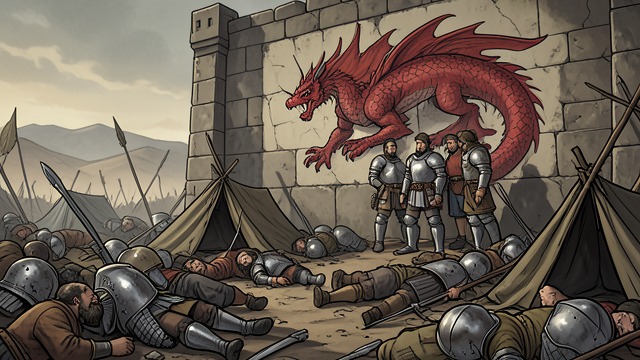
Victory at Guandu
Cao Cao destroys Yuan Shao’s supply base and defeats the larger army. He then exploits the Yuan heirs’ division to capture their territories.
A Northern Hegemony
With the Yuan family removed, Cao Cao controls the north and can turn toward the southern kingdoms. Military success becomes a basis for dynastic rule.
Hanzhong and the Western Frontier
Expansion Beyond the North
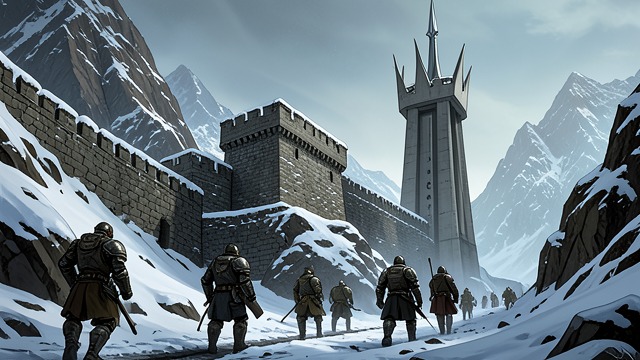
Campaign Against Zhang Lu
Cao Cao captures Hanzhong after a difficult campaign through mountain passes and appoints commanders to secure the area.
A Royal Title
He becomes King of Wei, making the northern state an explicit political structure while Emperor Xian remains on the throne.
Cao Pi Inherits the State

A Warlord’s Power Becomes a Dynasty
The Abdication
Cao Pi forces Emperor Xian to abdicate and becomes emperor of Wei.
A New Legitimacy Claim
The change makes clear that Cao Cao’s military state was not merely a temporary regency. The Cao family now claims the throne itself.
Power Passes to Sima

The Founding House Is Displaced
A Coup and Its Aftermath
Sima Yi removes Cao Shuang and gains control of Wei. His sons continue the process through court appointments and the deposition of Cao rulers.
Jin Replaces Wei
Sima Yan’s accession ends Cao rule. The state Cao Cao built survives, but its ruling family does not.
After the Yellow Headband revolt
AD 200–204
AD 215–216
AD 220
From AD 249 to AD 265
